
Quick Summary:
This complete guide explains what a full-stack WordPress developer does in modern web development. It covers frontend and backend responsibilities, WordPress theme and plugin development, PHP, MySQL, REST API integration, responsive design, UI/UX, security, performance optimization, and technical SEO. Additionally, the article explains tools like Git, Elementor, Gutenberg, Webpack, and hosting platforms. It also explores career opportunities, remote work demand, salary growth, essential developer skills, and future trends like headless WordPress, AI automation, GraphQL, and API-driven development. Furthermore, it highlights how companies like Techstack Digital support scalable and modern WordPress development solutions.
What Does a Full-Stack WordPress Developer Do? A Complete Guide
Modern businesses rely heavily on websites for growth, branding, and customer engagement. Therefore, companies now demand professionals who can handle end-to-end website development. A full-stack WordPress developer manages both the front-end and back-end of WordPress websites. Additionally, these developers build responsive interfaces, manage databases, improve website performance, and integrate advanced functionality. WordPress development continues to grow as businesses need scalable, flexible website solutions. WordPress powers over 40% of websites globally. Companies like Techstack Digital also help businesses build scalable and high-performing digital platforms through modern development strategies. Furthermore, modern web development now requires technical versatility instead of isolated expertise. This complete guide explains the responsibilities, skills, tools, workflows, and career opportunities related to full-stack WordPress development clearly and practically.
Why Full-Stack Developers Are in High Demand
Businesses want developers who can handle multiple tasks efficiently. Therefore, full-stack development becomes valuable across startups, agencies, and enterprises. Companies prefer hiring one professional who understands both frontend development and backend development processes. Additionally, digital transformation increases demand for scalable website development and advanced web applications.
Modern businesses also require fast deployment cycles. Furthermore, companies want developers who can collaborate with designers, marketers, and SEO specialists without communication gaps. A full-stack WordPress developer helps reduce dependency on multiple teams. This improves workflow efficiency and project management.
Remote work opportunities also contribute to rising demand. Additionally, businesses now hire global talent instead of relying only on local developers. WordPress powers millions of websites worldwide. Therefore, demand for skilled WordPress development professionals continues to rise across industries, including e-commerce, SaaS, education, healthcare, and media.
Evolution of WordPress Development Roles
WordPress started as a simple blogging platform. However, it evolved into a complete content management system supporting complex website solutions. Additionally, businesses now use WordPress for e-commerce stores, membership platforms, learning portals, booking systems, and enterprise websites.
Earlier, WordPress developers mainly customized themes and installed plugins. Furthermore, modern WordPress development now involves API integration, performance optimization, custom plugin development, and headless architecture implementation. This evolution changed developer responsibilities significantly.
The rise of WooCommerce also transformed WordPress into a major e-commerce ecosystem. WooCommerce powers millions of online stores worldwide. Additionally, developers now build highly customized online stores with advanced payment gateways, inventory systems, and CRM integrations. Businesses demand secure, scalable, and fast-loading websites. Therefore, developers must understand both server-side programming and user experience design to remain competitive.
From Simple Blogging to Complex Web Applications
Modern WordPress websites now function like complete software platforms. Furthermore, developers integrate booking engines, analytics dashboards, mobile applications, and cloud-based services into WordPress ecosystems. This shift increases the importance of full-stack skills.
Developers no longer focus only on content publishing. Additionally, they now manage custom APIs, authentication systems, dynamic interfaces, and database structures. Businesses require personalized website experiences for users. Therefore, developers must combine frontend technologies with backend logic efficiently.
What Is a Full-Stack WordPress Developer?
A full-stack WordPress developer manages both the client-side and server-side aspects of WordPress development. Therefore, these professionals build complete websites instead of handling isolated tasks. They manage website interfaces, backend functionality, databases, hosting environments, and optimization strategies.
Additionally, full-stack developers create custom WordPress themes and plugins based on project requirements. They improve security, optimize performance, and ensure mobile responsiveness. Furthermore, they collaborate with UI/UX designers, SEO experts, and content teams to create better user experiences.
Businesses value these developers because they reduce project complexity. Additionally, they understand how every component of a website interacts together. This improves troubleshooting, scalability, and development speed. Full-stack WordPress developers also contribute to long-term maintenance and technical growth strategies.
Definition and Core Responsibilities
A full-stack WordPress developer handles frontend development, backend programming, database management, and deployment processes. Furthermore, these developers build responsive layouts using HTML5, CSS3, and JavaScript frameworks while also managing PHP development and MySQL databases.
Core responsibilities include creating custom themes, developing plugins, optimizing website speed, integrating third-party APIs, and maintaining WordPress security. Additionally, developers monitor website performance and troubleshoot technical issues.
They also handle version control, testing, staging environments, and deployment workflows. Therefore, full-stack developers become essential for businesses seeking scalable and maintainable WordPress website development solutions.
Difference Between Front-End, Back-End, and Full-Stack Developers
Frontend developers focus mainly on visual elements and user interfaces. Therefore, they work with responsive design, typography, animations, and usability improvements. Additionally, frontend developers use HTML, CSS, and JavaScript to create engaging website experiences.
Backend developers manage server-side programming, databases, APIs, and website functionality. Furthermore, they use PHP development, MySQL database systems, and server-side scripting to process website logic.
Full-stack developers combine both skill sets. Additionally, they understand how frontend interfaces communicate with backend systems. This allows them to build complete WordPress websites independently.
Front-End Developer vs Back-End Developer
Frontend developers prioritize appearance and interaction design. Additionally, they optimize layouts for mobile-friendly websites and improve user engagement. Their work directly affects usability and conversion rates.
Backend developers focus on technical infrastructure. Furthermore, they manage databases, authentication systems, and application logic. Their work ensures website stability and functionality.
Full-Stack Developer vs Specialized Roles
Specialized developers focus deeply on one area. However, full-stack developers understand the complete development lifecycle. Additionally, they switch between frontend tasks and backend responsibilities efficiently.
Businesses often prefer generalist developers for smaller teams. Furthermore, startups benefit from developers who can manage multiple technical areas without requiring separate specialists.
Front-End Responsibilities of a WordPress Developer
Frontend development shapes how users interact with websites. Therefore, WordPress developers must create visually appealing and responsive designs. Additionally, they improve usability and optimize user engagement.
Modern frontend development involves much more than visual styling. Furthermore, developers now focus on accessibility standards, Core Web Vitals, and mobile optimization. These factors directly influence user retention and SEO performance.
Full-stack WordPress developers create layouts that adapt across devices and browsers. Additionally, they optimize loading speed and maintain consistency across pages. Frontend development also requires collaboration with UI/UX designers and branding teams.
HTML, CSS, and JavaScript in WordPress
HTML5 structures website content efficiently. Additionally, CSS3 controls layout design, animations, and visual presentation. JavaScript frameworks improve interactivity and dynamic functionality.
WordPress developers use these technologies daily. Furthermore, they customize themes, build interactive interfaces, and create responsive layouts using frontend development principles. JavaScript also powers sliders, navigation menus, animations, and AJAX functionality.
Modern WordPress websites require performance-focused coding practices. Additionally, developers minimize unnecessary scripts and optimize rendering speed to improve page experience.
Theme Development and Customization
Custom themes allow businesses to create unique branding experiences. Therefore, WordPress developers build themes tailored to project requirements instead of relying only on prebuilt templates.
Theme customization includes modifying layouts, typography, navigation structures, and design elements. Additionally, developers optimize themes for SEO, responsiveness, and accessibility.
Custom WordPress templates also improve scalability and long-term flexibility. Furthermore, developers ensure compatibility with plugins, browsers, and future WordPress updates.
Creating Responsive and Mobile-Friendly Designs
Responsive design ensures websites function properly across desktops, tablets, and smartphones. Therefore, developers use flexible grids, media queries, and scalable layouts.
Google prioritizes mobile-friendly websites in search rankings. Additionally, responsive layouts improve user retention and reduce bounce rates. Full-stack developers must test websites across multiple screen sizes to maintain consistency.
UI/UX Design Principles
User experience design focuses on simplicity, usability, and engagement. Therefore, developers structure navigation and layouts logically. Additionally, they minimize friction within user journeys.
Good UI/UX design improves readability and interaction flow. Furthermore, developers use visual hierarchy, whitespace, and intuitive layouts to enhance usability.
Accessibility Standards (WCAG Compliance)
Accessibility standards ensure websites remain usable for all users. Therefore, developers implement proper contrast ratios, keyboard navigation, and semantic HTML structures.
WCAG compliance also improves SEO and usability. Additionally, accessible websites support screen readers and assistive technologies effectively.
Front-End Performance Optimization Techniques
Performance optimization improves website speed and responsiveness. Therefore, developers minimize CSS and JavaScript files, compress images, and reduce render-blocking resources.
Additionally, optimized frontend performance improves Core Web Vitals and search engine rankings. Faster websites also improve user satisfaction and engagement metrics.
Back-End Responsibilities of a WordPress Developer
Backend development powers the functionality behind WordPress websites. Therefore, developers manage databases, server-side logic, authentication systems, and plugin functionality. Additionally, backend systems ensure websites operate securely and efficiently.
A full-stack WordPress developer handles database communication and dynamic content generation. Furthermore, developers optimize server resources and maintain website scalability for growing traffic demands.
Backend development also involves troubleshooting technical issues and integrating third-party services. Additionally, developers create custom solutions tailored to business requirements instead of relying only on default WordPress functionality.
Working with PHP and MySQL
PHP development forms the foundation of WordPress core functionality. Therefore, developers use PHP to create themes, plugins, and custom website features.
MySQL databases store website content, settings, and user data. Additionally, developers optimize database queries to improve website performance and scalability.
Efficient backend coding reduces server load and improves response times. Furthermore, developers maintain clean and secure code structures for long-term website stability.
Plugin Development and Customization
Plugins extend WordPress functionality significantly. Therefore, developers create custom plugins for unique business requirements and workflow automation.
Plugin customization allows businesses to modify existing features without changing WordPress core files. Additionally, developers ensure compatibility between plugins and themes.
Custom plugin solutions improve scalability and flexibility. Furthermore, businesses gain tailored functionality without relying entirely on third-party tools.
Understanding WordPress Hooks (Actions and Filters)
WordPress hooks allow developers to modify functionality without editing core files. Therefore, actions and filters become essential parts of WordPress API development.
Actions trigger specific functions during events. Additionally, filters modify existing data dynamically. Hooks improve customization flexibility and maintainability.
REST API Integration
REST API integration allows WordPress websites to communicate with external applications and services. Therefore, developers connect payment gateways, CRMs, mobile apps, and analytics platforms efficiently.
Additionally, RESTful services improve scalability and cross-platform functionality. API integrations also support modern headless WordPress architectures.
Database Optimization Techniques
Database optimization improves query performance and website speed. Therefore, developers clean unnecessary data, optimize tables, and reduce heavy database operations.
Efficient query structures minimize server load. Additionally, optimized databases improve scalability and overall user experience.
WordPress Security Best Practices
WordPress security remains essential because websites face constant vulnerabilities and malware threats. Therefore, developers implement strong authentication systems, firewall configurations, and security monitoring tools.
Additionally, developers update plugins and themes regularly to prevent exploitation. Secure coding practices also reduce the risk of SQL injection and cross-site scripting attacks.
How Front-End and Back-End Work Together
Frontend and backend systems must work together seamlessly. Therefore, full-stack WordPress developers understand how interfaces communicate with databases and servers. Additionally, integration improves user experience and website functionality.
Frontend elements collect user input and display content dynamically. Furthermore, backend systems process requests and manage data securely. This collaboration forms the foundation of modern WordPress development workflows.
Full Development Lifecycle in WordPress
The WordPress development lifecycle begins with planning and requirement analysis. Therefore, developers identify business goals, technical requirements, and user expectations early.
Development then moves into design, coding, testing, and deployment stages. Additionally, developers create staging environments before pushing updates to production servers.
Post-launch maintenance also remains critical. Furthermore, developers monitor website performance, security, and scalability continuously.
Version Control Using Git
Git version control helps developers track code changes efficiently. Therefore, teams collaborate without overwriting each other’s work.
GitHub and Git repositories also improve workflow management. Additionally, developers create branches for testing and feature development before merging updates safely.
Collaboration with Designers and Stakeholders
WordPress development requires strong collaboration between developers, designers, marketers, and clients. Therefore, communication skills become essential within project workflows.
Developers translate design concepts into functional websites. Additionally, they explain technical limitations and propose scalable solutions during project discussions.
Agile and Scrum Methodologies
Agile development improves flexibility and project management efficiency. Therefore, teams release updates incrementally instead of waiting for complete project delivery.
Scrum methodologies also improve communication and accountability. Additionally, developers work in sprint cycles to manage tasks efficiently and maintain productivity.
Tools Used by Full-Stack WordPress Developers
Modern WordPress development relies heavily on professional development tools. Therefore, developers use local environments, debugging tools, and workflow automation systems daily.
These tools improve productivity and code quality. Additionally, they reduce deployment errors and simplify collaboration within development teams.
Development Environments (Local, Staging, Production)
Local development environments allow developers to build websites safely before public deployment. Therefore, tools like XAMPP, LocalWP, and MAMP become essential.
Staging environments allow testing before production deployment. Additionally, developers identify bugs and compatibility issues without affecting live websites.
Production environments host public-facing websites. Furthermore, developers monitor uptime, speed, and security continuously.
Page Builders (Elementor, Gutenberg)
Elementor and Gutenberg simplify website creation for users and developers. Therefore, many businesses rely on drag-and-drop builders for faster content management.
Custom Gutenberg block development also allows advanced design flexibility. Additionally, developers create reusable content blocks for scalable website management.
Build Tools (Webpack, Gulp)
Build tools automate repetitive development tasks efficiently. Therefore, developers use Webpack and Gulp for file compilation, optimization, and workflow automation.
Additionally, these tools improve performance by minimizing CSS and JavaScript assets automatically.
Debugging and Testing Tools
Debugging tools help developers identify technical problems quickly. Therefore, developers use browser developer tools, Query Monitor, and testing frameworks regularly.
Testing improves stability and reduces deployment risks. Additionally, developers perform functionality, performance, and compatibility testing before launch.
Hosting and Deployment Platforms
Reliable hosting platforms improve website performance and scalability. Therefore, developers select hosting providers based on traffic requirements and technical needs.
Managed WordPress hosting also simplifies maintenance and security management. Additionally, deployment strategies ensure smoother website updates and reduced downtime.
Explore More
Also Learn about Full Stack Ruby on Rails developer
Understanding the WordPress Ecosystem
The WordPress ecosystem includes themes, plugins, hosting providers, developers, and community contributors. Therefore, developers must understand how these components interact together.
WordPress core architecture also influences website customization and scalability. Additionally, understanding file structures helps developers troubleshoot technical issues effectively.
Themes vs Plugins
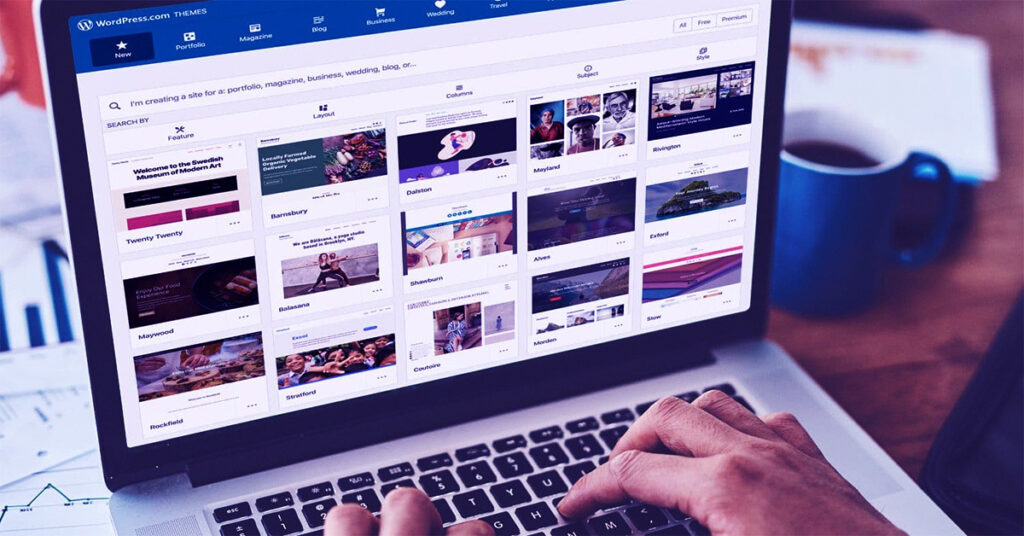
Themes control visual presentation and layout design. Therefore, developers use themes to define branding and user interfaces.
Plugins add functionality and dynamic features. Additionally, plugins extend WordPress capabilities without modifying core files directly.
WordPress Core Architecture
WordPress core files manage essential CMS functionality. Therefore, developers understand folders like wp-config, wp-content, and wp-admin thoroughly.
Core architecture knowledge improves troubleshooting and customization efficiency. Additionally, developers avoid modifying core files directly to maintain update compatibility.
WordPress Multisite Networks
WordPress Multisite allows developers to manage multiple websites from one installation. Therefore, businesses use multisite networks for franchises, universities, and enterprise ecosystems.
Additionally, multisite improves centralized management and scalability.
Headless WordPress Architecture
Headless WordPress separates frontend presentation from backend content management. Therefore, developers use APIs to deliver content across multiple platforms.
Headless CMS architecture improves flexibility and performance. Additionally, developers integrate frameworks like React and Vue.js for advanced frontend experiences.
Advanced Skills for Full-Stack WordPress Developers
Advanced WordPress development requires expertise beyond basic customization. Therefore, developers learn API integrations, JavaScript frameworks, and modern CMS architecture strategies.
These advanced skills improve scalability and technical competitiveness. Additionally, businesses increasingly demand developers capable of handling complex web applications.
API Integrations and Third-Party Services
API integrations connect WordPress websites with external systems. Therefore, developers integrate payment gateways, CRM platforms, email marketing tools, and analytics services.
Third-party integrations improve automation and operational efficiency. Additionally, businesses streamline workflows using connected digital ecosystems.
Custom Gutenberg Block Development
Custom Gutenberg blocks improve content management flexibility. Therefore, developers create reusable layouts and advanced editor components.
Additionally, block editor customization improves scalability and content consistency across websites.
JavaScript Frameworks (React, Vue)
Modern JavaScript frameworks improve frontend performance and interactivity. Therefore, developers use React and Vue.js within advanced WordPress projects.
These frameworks support dynamic interfaces and headless architecture strategies. Additionally, they improve scalability for large applications.
Headless CMS Architecture
Headless CMS development separates backend content management from frontend delivery systems. Therefore, developers gain greater design flexibility and performance optimization opportunities.
Additionally, businesses deliver content across websites, apps, and digital platforms simultaneously.
GraphQL Integration with WordPress
GraphQL improves data fetching efficiency compared to traditional REST APIs. Therefore, developers use GraphQL for faster and more flexible frontend communication.
Additionally, GraphQL reduces unnecessary server requests and improves application performance.
Security and Performance Optimization
Website security and speed directly influence business credibility and user trust. Therefore, full-stack WordPress developers prioritize protection and optimization strategies continuously.
Additionally, performance optimization improves SEO rankings and conversion rates. Fast and secure websites create better user experiences.

Preventing Common WordPress Vulnerabilities
Hackers frequently target outdated plugins and weak authentication systems. Therefore, developers implement security monitoring, strong passwords, and limited login attempts.
Additionally, developers update plugins and themes regularly to reduce vulnerabilities.
SSL, Firewalls, and Backup Strategies
SSL certificates protect website data through HTTPS encryption. Therefore, developers configure secure connections for user trust and SEO benefits.
Firewalls block malicious traffic effectively. Additionally, backup solutions protect websites from unexpected failures and cyberattacks.
Performance Optimization Techniques
Performance optimization improves website responsiveness and user engagement. Therefore, developers optimize images, minimize scripts, and reduce unnecessary plugins.
Additionally, developers improve database performance and hosting efficiency for faster loading times.
Caching, CDN, and Lazy Loading
Caching reduces server requests by storing website data temporarily. Therefore, websites load faster for returning visitors.
CDNs distribute content across global servers. Additionally, lazy loading improves page speed by delaying image loading until necessary.
SEO Responsibilities of a Full-Stack WordPress Developer
Technical SEO plays a major role in WordPress development. Therefore, developers optimize website structure, speed, and crawlability to improve rankings.
Additionally, developers implement schema markup and Core Web Vitals optimization strategies for better search visibility.
Technical SEO Implementation
Technical SEO ensures search engines crawl and index websites efficiently. Therefore, developers optimize URLs, sitemaps, internal linking, and mobile responsiveness. Additionally, developers reduce duplicate content and improve website architecture.
Schema Markup and Structured Data
Structured data helps search engines understand website content better. Therefore, developers implement schema markup for products, articles, reviews, and FAQs. Rich snippets improve search visibility and click-through rates. Additionally, structured data enhances search engine communication.
Core Web Vitals Optimization
Core Web Vitals measure loading speed, responsiveness, and visual stability. Therefore, developers optimize assets, hosting environments, and rendering performance. Additionally, improved page experience supports SEO ranking factors and user engagement.
SEO Plugin Integration (Yoast, Rank Math)
SEO plugins simplify optimization workflows significantly. Therefore, developers configure tools like Yoast SEO and Rank Math for metadata, sitemaps, and schema management. Additionally, these plugins support on-page SEO optimization and content analysis.
Career Path of a Full-Stack WordPress Developer
Full-stack WordPress development offers strong career opportunities across industries. Therefore, developers work within agencies, startups, enterprises, and freelance markets.
Additionally, remote work expands access to international clients and higher-paying opportunities.
Freelance vs Full-Time Opportunities
Freelance developers gain flexibility and project variety. Therefore, many professionals build independent careers through client-based work.
Full-time roles provide stable income and team collaboration opportunities. Additionally, enterprises often require long-term WordPress development expertise.
Salary Expectations and Growth
Developer salaries vary based on experience, specialization, and location. Therefore, advanced WordPress developers often command competitive compensation packages.
Additionally, expertise in React, API integration, and performance optimization increases earning potential significantly.
Job Market Demand
Global demand for WordPress developers remains strong. Therefore, businesses continuously seek professionals capable of managing scalable web development projects. Additionally, e-commerce growth further increases WooCommerce development opportunities.
Remote Work Opportunities
Remote work allows developers to access global markets efficiently. Therefore, WordPress professionals often collaborate with international clients and distributed teams. Additionally, remote opportunities improve flexibility and career scalability.
Essential Skills Required
Full-stack WordPress developers require both technical and soft skills. Therefore, professionals must balance coding expertise with communication and problem-solving abilities. Additionally, continuous learning remains essential because web technologies evolve rapidly.
Technical Skills
Developers must understand HTML, CSS, JavaScript, PHP, and MySQL thoroughly. Therefore, strong coding fundamentals become essential for advanced WordPress development. Additionally, developers should understand APIs, Git version control, and hosting environments.
Soft Skills
Soft skills improve collaboration and project management. Therefore, developers communicate clearly with clients, designers, and stakeholders. Additionally, teamwork and adaptability improve workflow efficiency within development environments.
Problem-Solving and Communication
Problem-solving skills help developers troubleshoot technical challenges quickly. Therefore, analytical thinking becomes essential for debugging and optimization tasks. Additionally, communication improves project alignment and client satisfaction.
Time Management and Productivity
Developers often manage multiple projects simultaneously. Therefore, time management skills improve productivity and reduce workflow bottlenecks. Additionally, organized workflows help maintain consistent delivery schedules.
How to Become a Full-Stack WordPress Developer
Becoming a full-stack WordPress developer requires structured learning and consistent practice. Therefore, beginners should focus on both frontend and backend technologies gradually. Additionally, practical projects improve real-world experience significantly.
Step-by-Step Learning Path
Beginners should start with HTML, CSS, and JavaScript fundamentals. Therefore, understanding frontend development becomes the first step. Next, developers should learn PHP development and MySQL databases. Additionally, WordPress theme development and plugin customization help strengthen practical skills.
Online Courses and Learning Resources
Online learning platforms provide structured education for developers. Therefore, beginners use tutorials, coding bootcamps, and documentation to improve skills. Additionally, WordPress community forums and YouTube channels offer valuable guidance.
Building a Portfolio
A strong portfolio demonstrates technical expertise effectively. Therefore, developers should build responsive websites and custom WordPress projects. Additionally, portfolio projects improve credibility during freelance and job applications.
Certifications and Open Source Contributions
Certifications validate technical knowledge professionally. Therefore, developers benefit from recognized training programs and technical courses. Additionally, open source contributions improve experience and community visibility.
Advantages and Challenges
Full-stack WordPress development offers strong career benefits but also presents technical challenges. Therefore, developers must balance versatility with continuous learning.
Additionally, businesses increasingly rely on adaptable developers capable of handling complex digital requirements.
Benefits of Being a Full-Stack Developer
Full-stack developers manage complete projects independently. Therefore, they gain greater career flexibility and broader job opportunities.
Additionally, businesses value developers who reduce communication gaps between frontend and backend teams.
Common Challenges Faced
Managing multiple technologies can become overwhelming. Therefore, developers must continuously update their knowledge and workflows.
Additionally, balancing design, performance, security, and scalability requires strong technical discipline.
Managing Workload and Complexity
Complex projects involve multiple integrations and performance considerations. Therefore, developers must prioritize organization and structured workflows.
Additionally, project management tools improve efficiency and collaboration.
Future of Full-Stack WordPress Development
The future of WordPress development continues evolving rapidly. Therefore, developers must adapt to AI tools, automation, and modern CMS architecture trends.
Additionally, businesses increasingly demand faster, scalable, and API-driven digital experiences.
AI and Automation in Development
AI tools improve code generation and workflow automation. Therefore, developers now use automation for testing, optimization, and content management processes.
Additionally, AI improves productivity and reduces repetitive development tasks.
Rise of No-Code and Low-Code Platforms
No-code and low-code platforms simplify website creation for non-technical users. However, businesses still require developers for customization, scalability, and advanced integrations.
Additionally, full-stack expertise remains valuable for complex applications and enterprise systems.
Growth of Headless CMS
Headless CMS architecture continues growing because businesses prioritize flexibility and omnichannel delivery. Therefore, developers increasingly combine WordPress with React and API-driven systems.
Emerging Development Trends
Modern trends include serverless architecture, AI-driven personalization, and progressive web applications. Therefore, developers must continue learning modern frameworks and optimization strategies.
Additionally, performance-focused development will remain critical for SEO and user engagement.
Frequently Asked Questions
What does a full-stack WordPress developer do daily?
A full-stack WordPress developer builds themes, manages plugins, optimizes performance, fixes bugs, and handles frontend and backend development tasks daily. Additionally, developers collaborate with teams and maintain website security.
Is full-stack WordPress development difficult to learn?
Learning full-stack development requires time and consistent practice. However, structured learning paths and project-based experience simplify the process significantly.
Do full-stack developers need design skills?
Basic UI/UX understanding helps developers create better user experiences. Therefore, design knowledge improves frontend development quality and collaboration with designers.
How long does it take to become a WordPress full-stack developer?
Most beginners require one to three years of consistent learning and project experience. Additionally, advanced specialization may require ongoing practice and real-world development work.
What tools are essential for beginners?
Beginners should learn Git, LocalWP, VS Code, Elementor, browser developer tools, and WordPress debugging plugins. Additionally, understanding hosting and deployment tools becomes valuable.
Can you freelance as a full-stack WordPress developer?
Yes. Many developers build successful freelance careers through WordPress website development, WooCommerce projects, maintenance services, and SEO optimization work.
Conclusion
Full-stack WordPress development combines frontend design, backend programming, security management, performance optimization, and technical SEO into one versatile career path. Therefore, businesses increasingly depend on developers who understand complete website ecosystems instead of isolated technical areas. Additionally, WordPress continues evolving through headless architecture, API-driven workflows, and modern JavaScript frameworks. Companies like Techstack Digital continue supporting businesses with scalable web development and modern digital solutions tailored to evolving market demands. This creates long-term career opportunities for skilled developers worldwide. Full-stack developers also gain flexibility through freelance work, remote opportunities, and enterprise-level projects. Furthermore, continuous learning helps developers stay competitive within modern web development environments. As digital transformation grows globally, full-stack WordPress development remains one of the most valuable and scalable technical skills today.